


Defining Yourself for Yourself: IFS as a Framework for Neurodivergent, Ethnic, Gender, and Sexual Orientation Minorities
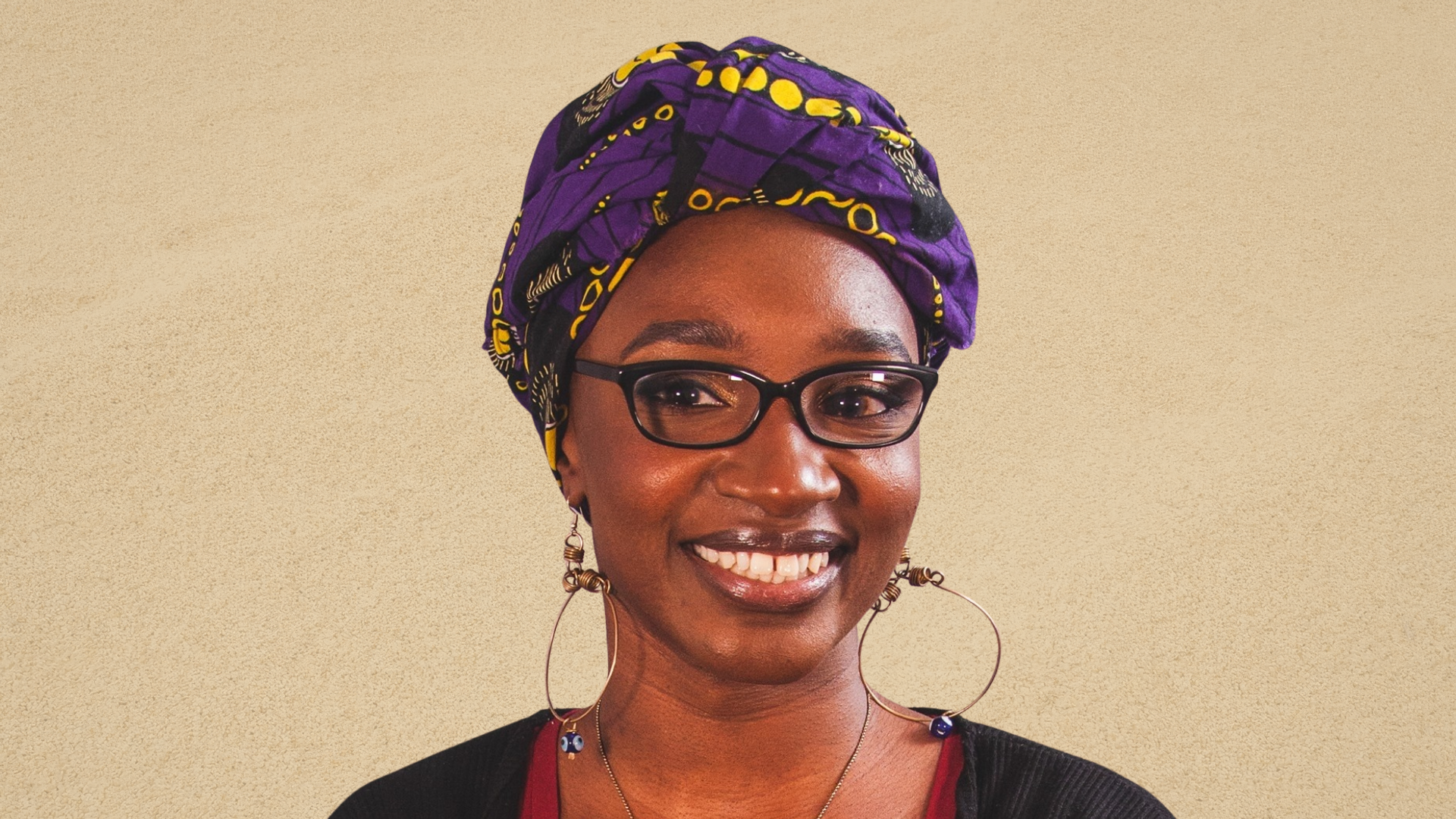

Internal Family Systems (IFS) starts from a simple premise. We hold a whole system of parts within us, each one formed at a different point in our lives, each one trying to protect us in the best way it knew how at the time. Underneath all of them sits Self, a core that's inherently calm, curious, and whole, something we already are, buried under whatever the parts had to become in order to survive.
IFS organizes the mind into a few recognizable roles. Managers work proactively to keep life controlled and predictable. Firefighters react once pain has already broken through, doing whatever it takes to put the fire out fast. Exiles are the youngest, most vulnerable parts, usually holding the original pain from whatever happened early on. Self sits underneath and apart from all of them, capable of leading the whole system once it's given the chance.
Each part is shaped by the lived experiences that gave rise to it, and by the narrative those experiences left behind about who we are, what we're worth, and what our place is in the world. Long before many of us got the chance to define ourselves, the world had already assigned parts to do that defining for us. A neurodivergent child masking their natural way of processing the world develops a part whose entire job is performance. A Black child absorbing racialized messages about danger or deservingness develops parts that carry those messages forward. A queer or trans person, or someone socialized and perceived as a woman, growing up in a cisheteropatriarchal environment often develops parts whose sole purpose is concealment, deciding what's safe to reveal and to whom.
Every part here formed with good reason, often as the only available strategy for staying safe, loved, or simply alive. IFS holds this with real compassion, there's no part to eliminate, no protector to shame. Every part gets curiosity instead of correction.
What IFS offers people navigating these intersections is a structured way back to Self, a core that isn't racialized, gendered, or shaped by anyone else's expectations. Self doesn't need to perform, mask, or manage anything, it simply is. For someone who's spent a lifetime being told who they should be, contact with Self can be the first experience of self definition that didn't originate outside of them.
IFS has a word for what happens when a part takes over so completely that we can no longer tell where it ends and we begin. That's called blending. Unblending is the process of creating just enough distance to notice a part is present, rather than being fully inside its perspective, a shift from I am terrified of being seen to a part of me is terrified of being seen. That small linguistic shift reflects something real, Self stepping back into the room, present enough to relate to the part rather than be consumed by it.
For someone whose masking, concealment, or hypervigilant parts formed in direct response to a racist, ableist, or cisheteropatriarchal environment, staying blended with those parts can feel indistinguishable from staying safe. Unblending doesn't ask anyone to abandon that protection recklessly. It asks for enough internal room to notice the part is there, doing its job, without mistaking that job for the whole of who we are.
This isn't a new idea so much as a familiar one showing up in a new form. Black queer feminist thought has been naming internal multiplicity for decades. Audre Lorde wrote about the erotic as a deep, internal source of knowledge and power, a felt connection to one's own truth that runs counter to the fragmentation demanded by systems built to keep people docile and easier to manage.
Bell hooks wrote extensively about the difference between being seen and being truly known, naming how systems of domination train people to perform a single legible self for others rather than being given room to hold their full complexity. Neither of them was writing about therapy, and they arrived at the same core truth IFS arrives at from a clinical direction, that a person was never meant to be one singular, fixed self to begin with. People holding multiple marginalized identities are often forced to develop a sophisticated relationship with their own multiplicity long before anyone hands them a framework for it, because survival demanded it.
None of us can define ourselves for ourselves while every part of us is still organized around someone else's definition of what we're allowed to be. IFS offers a way back to the version of ourselves that was never actually lost, just buried under everything we had to become to get here safely. That version of us doesn't need permission from a racist, ableist, or cisheteropatriarchal world to exist. It was there before any of that got imposed, and with enough curiosity and enough time, it's still there now, waiting to be met.
This is exactly the work at the heart of Defining Yourself for Yourself, a new support group starting virtually, September 5th at 12pm. Built for neurodivergent gender, ethnic, and sexual orientation minorities, this space centers the same belief running through everything above, that reclaiming self definition is a relational process, first with our own parts, before it ever becomes something we present to the world. If any of this resonated, I'd love for you to consider joining us.

Comments