


What It Means to Be Transmisogynoir-Affected: Language, History, and the Weight We Carry
- soulwerkcafe
- Jun 25
- 4 min read

There are experiences that exist long before we have words for them. The exhaustion of moving through a world that does not see you fully. The harm that comes from several directions at once. The way you learn to brace yourself in spaces that are supposed to be safe. For Black transgender and gender expansive women and femmes, this is not abstract. It is the texture of daily life.
The word for this is transmisogynoir.
Where the Term Comes From
Transmisogynoir was developed by Trudy of the blog Gradient Lair to name something that existing language could not quite hold. The term brings together transmisogyny, the specific hatred and dehumanization directed at trans women and femmes, and misogynoir, a term coined by Black feminist scholar Moya Bailey to describe the racialized misogyny directed at Black women specifically. When you are Black and trans or gender expansive, these forces do not simply add together. They interact, compound, and produce a form of harm that is distinct from what any one of those words captures alone.
Trudy's work centered transmisogynoir in conversations about media representation, violence, erasure, and the ways Black trans women and femmes are failed by mainstream feminist and LGBTQ+ movements alike. That work helped make clear that transmisogynoir is not just a theoretical framework. It is a description of something people live inside every day.
Who Is Transmisogynoir-Affected
Being transmisogynoir-affected refers to anyone who experiences the direct impact of this compounded form of oppression. This includes Black trans women, Black transfeminine people, and Black gender expansive folks who move through the world in ways that attract transmisogynoir violence and erasure. It also holds space for those whose relationship to gender is fluid, contested, or outside of easy categorization, and who still bear the weight of this intersection.
This is not a term that flattens difference within the community it names. Black trans women who are also disabled, undocumented, sex workers, or living in poverty experience layers of harm that compound further still. Transmisogynoir as a framework asks us to stay specific, to resist generalizations that erase the most marginalized.
The Mental and Emotional Weight
The mental health impacts of transmisogynoir are significant and underresearched. Chronic exposure to dehumanization, visibility without protection, and the constant negotiation of safety takes a serious toll.
Hypervigilance is common. When you have learned that harm can come from strangers, from institutions, from people who claim to be in community with you, your nervous system adapts. That adaptation is intelligent. It is also exhausting to live inside.
Grief is present in ways that are often unnamed. Grief for community members lost to violence. Grief for versions of yourself that did not survive certain environments. Grief for the ease that other people seem to move through the world with. This kind of grief does not always look like sadness. Sometimes it looks like numbness, irritability, or a feeling of being fundamentally alone even in a room full of people.
Many transmisogynoir-affected people also carry the pain of being failed by movements and communities that should have held them. Anti-Blackness within LGBTQ+ spaces and transphobia within Black community spaces creates a wound that is specific and compounding, the experience of being too much and not enough in every room you enter.
The Spiritual Dimension
Mental health frameworks that ignore the spiritual dimension of this experience are incomplete. For many transmisogynoir-affected people, the harm reaches into questions of identity at the deepest level. Who am I when the world refuses to reflect me accurately? What does it mean to tend to my spirit in a culture that has treated my existence as expendable?
Ancestral and diasporic traditions offer something that clinical language often cannot: a framework in which the self is understood as continuous with something larger than the individual body. Connecting to ancestral wisdom, to spiritual practice, to collective memory, is not supplemental to healing. For many people, it is central to it.
There is also the question of joy. Transmisogynoir-affected communities have produced extraordinary art, culture, kinship, and beauty in the face of enormous harm. Healing work that only attends to what has been damaged misses the fullness of who these communities are and have always been.
Why This Language Matters in Clinical Spaces
When transmisogynoir-affected people come into mental health spaces, they often encounter clinicians who do not have the language or framework to hold what they are carrying. Their experiences get pathologized, minimized, or fragmented into separate issues rather than understood as the product of a specific and nameable form of harm.
Having language for what you have experienced is itself a form of relief. It means you are not imagining it. It means it has a history and a context. It means other people have named it and survived it and built something from it.
At Soul Werk Cafe, we believe that affirming care for transmisogynoir-affected people requires more than good intentions. It requires political clarity, the right frameworks, and a genuine commitment to holding these experiences with the specificity they deserve.
If this resonates with you, you belong here.
At Soul Werk Cafe, we believe that healing is not something we do alone. We create affirming spaces where people can gather, learn, reflect, and reconnect with themselves and their communities.
We invite you to explore our upcoming events and workshops, where care, connection, and collective healing are at the center of everything we do.
Visit our Events Page and join us in building spaces where every story is honored and every person is seen.
About the Author
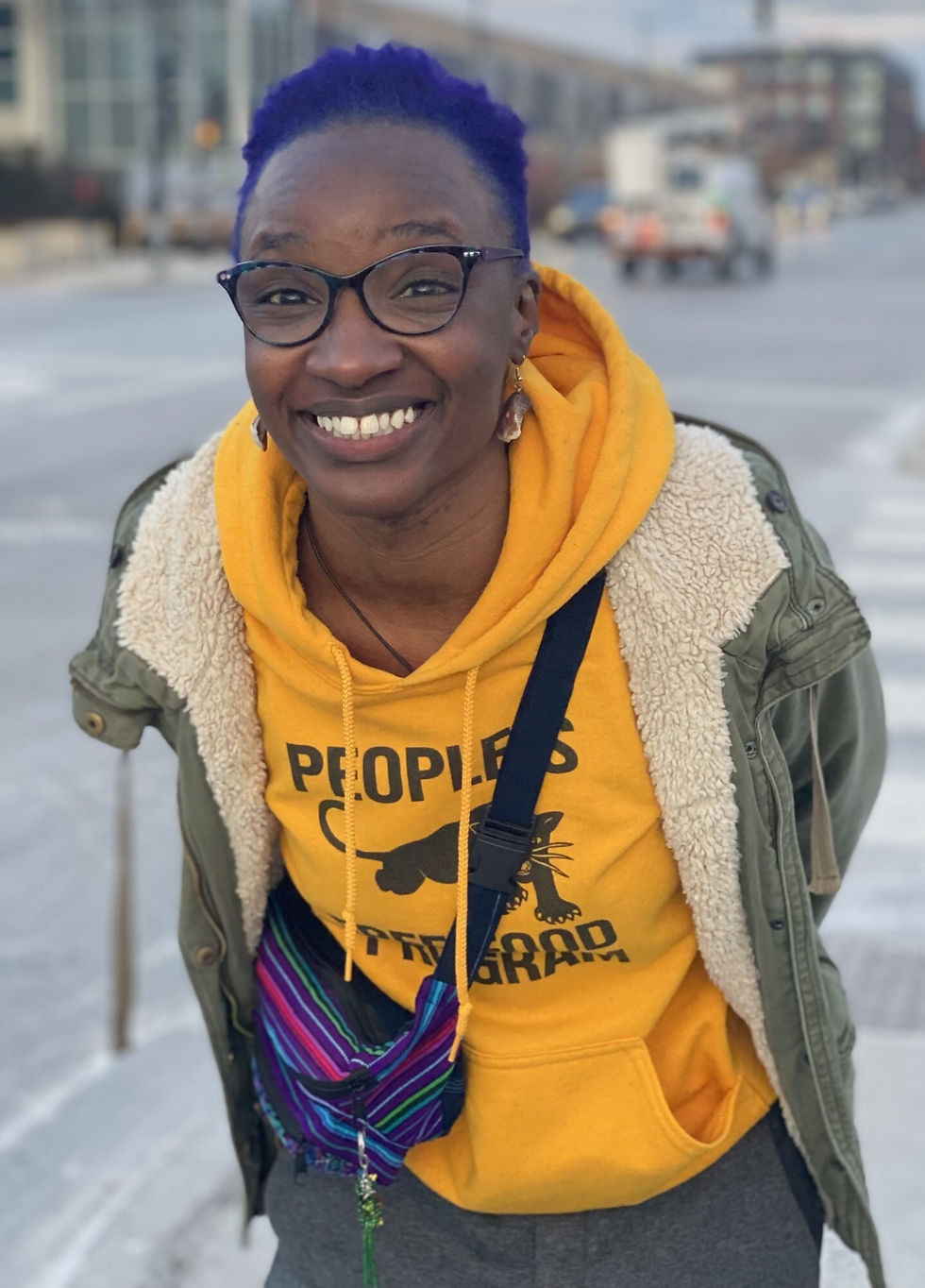
Brittney Thomas, LSW is a Black neurodivergent therapist dedicated to helping individuals explore their stories, reconnect with their bodies, and approach healing with self-compassion. Her work is grounded in IFS, somatic practices, and social justice-centered care.
Ready to begin your healing journey?


Comments